


Understanding the Causes of Ear Ringing: What You Need to Know
- Hyochang Arnold, Au.D.
- Mar 17
- 3 min read

Tinnitus, commonly referred to as ear ringing, can be both perplexing and frustrating. Individuals may perceive a continuous buzzing, hissing, or ringing sound that others do not hear. If you've ever questioned the reasons behind this phenomenon, you are not alone. I aim to share my insights into this condition to help you comprehend its causes. This understanding can enable you to pursue relief and improve your hearing health.
What Is Ear Ringing and Why Does It Happen?
Ear ringing, medically known as tinnitus, is the perception of sound when no external noise is present. It can vary from a soft hum to a loud roar. Sometimes, it’s constant; other times, it comes and goes. But why does your ear suddenly start making noise on its own?
The causes of ear ringing are diverse. They often relate to how your ears and brain process sound. When something disrupts this process, your brain may create phantom sounds. These sounds are your tinnitus.
Common triggers include:
Exposure to loud noises (concerts, machinery)
Earwax buildup blocking the ear canal
Age-related hearing loss
Ear infections or injuries
Certain medications that affect hearing
Stress and anxiety
Understanding these causes is the first step to managing tinnitus effectively.
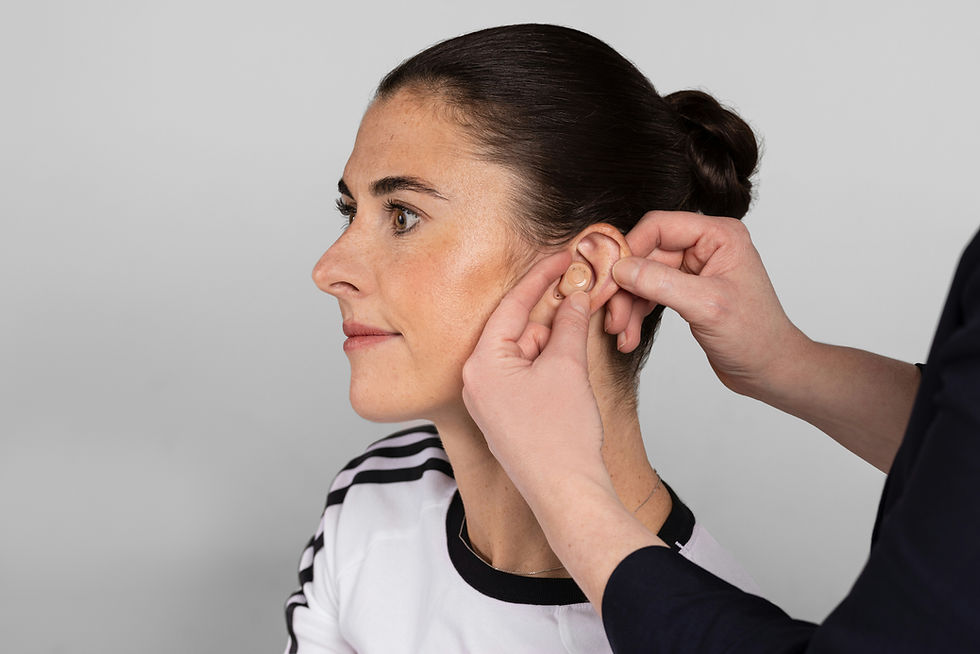
Exploring the Most Common Causes of Ear Ringing
Let’s dive deeper into some of the most frequent reasons people experience ear ringing.
Noise Exposure
Have you ever left a concert with your ears ringing? Loud noise damages the tiny hair cells in your inner ear. These cells help convert sound waves into signals your brain understands. When they’re damaged, your brain may misinterpret signals, causing tinnitus.
Earwax Blockage
It might surprise you, but too much earwax can cause ringing. When earwax blocks your ear canal, it changes how sound travels. This blockage can create pressure and irritation, leading to tinnitus.
Age-Related Hearing Loss
As you get older, your hearing naturally declines. This loss can trigger tinnitus because your brain tries to fill in missing sounds. This is common in people over 60 but can happen earlier too.
Medical Conditions and Medications
Certain health issues like high blood pressure, diabetes, or thyroid problems can cause tinnitus. Some medications, including antibiotics and chemotherapy drugs, list tinnitus as a side effect.
Stress and Anxiety
Stress doesn’t just affect your mind; it can impact your ears too. High stress levels can worsen tinnitus or even trigger it. Managing stress is an important part of controlling ear ringing.
How to Identify the Cause of Your Ear Ringing
Pinpointing the exact cause of your tinnitus can be tricky. Here’s how you can start:
Keep a journal - Note when the ringing happens, how loud it is, and what you were doing.
Check your environment - Were you exposed to loud sounds recently?
Review your medications - Some drugs like aspirin can cause or worsen tinnitus.
Look for other symptoms - Ear pain, dizziness, or hearing loss can provide clues.
Consult a professional - An audiologist can perform tests to find the root cause.
If you want to learn more about what causes ringing in the ears, this resource offers detailed insights.

Practical Steps to Manage and Reduce Ear Ringing
While some causes require medical treatment, there are practical ways you can reduce the impact of tinnitus on your daily life.
Protect your ears - Use earplugs in loud environments.
Limit caffeine and alcohol - These can worsen tinnitus for some people.
Manage stress - Try relaxation techniques like meditation or yoga.
Avoid silence - Background noise, like a fan or soft music, can help mask ringing.
Stay active - Exercise improves blood flow, which may reduce symptoms.
Get regular hearing checkups - Early detection of hearing loss can prevent worsening tinnitus.
If your tinnitus is linked to hearing loss, hearing aids might help by amplifying external sounds and reducing the prominence of ringing.
When to Seek Professional Help
If your ear ringing is persistent, worsening, or accompanied by other symptoms like dizziness or hearing loss, it’s time to see an audiologist. They can:
Conduct hearing tests
Examine your ear health
Recommend treatments or hearing aids
Provide counseling and coping strategies
At Advanced Audiology & Hearing Aids LLC, we offer compassionate, patient-centered care tailored to your needs. Whether you prefer home visits or office appointments in St. Lucie and Indian River counties, we’re here to help you improve your hearing and quality of life.
Taking Control of Your Hearing Health
Understanding the causes of ear ringing is empowering. It helps you make informed decisions and seek the right care. Remember, tinnitus is a common condition, and you don’t have to face it alone.
Proactively safeguarding your ears, handling stress, and seeking professional advice when necessary can lessen the effects of tinnitus. Your auditory health is important, and with proper support, you can look forward to more serene and quieter days.


Comments